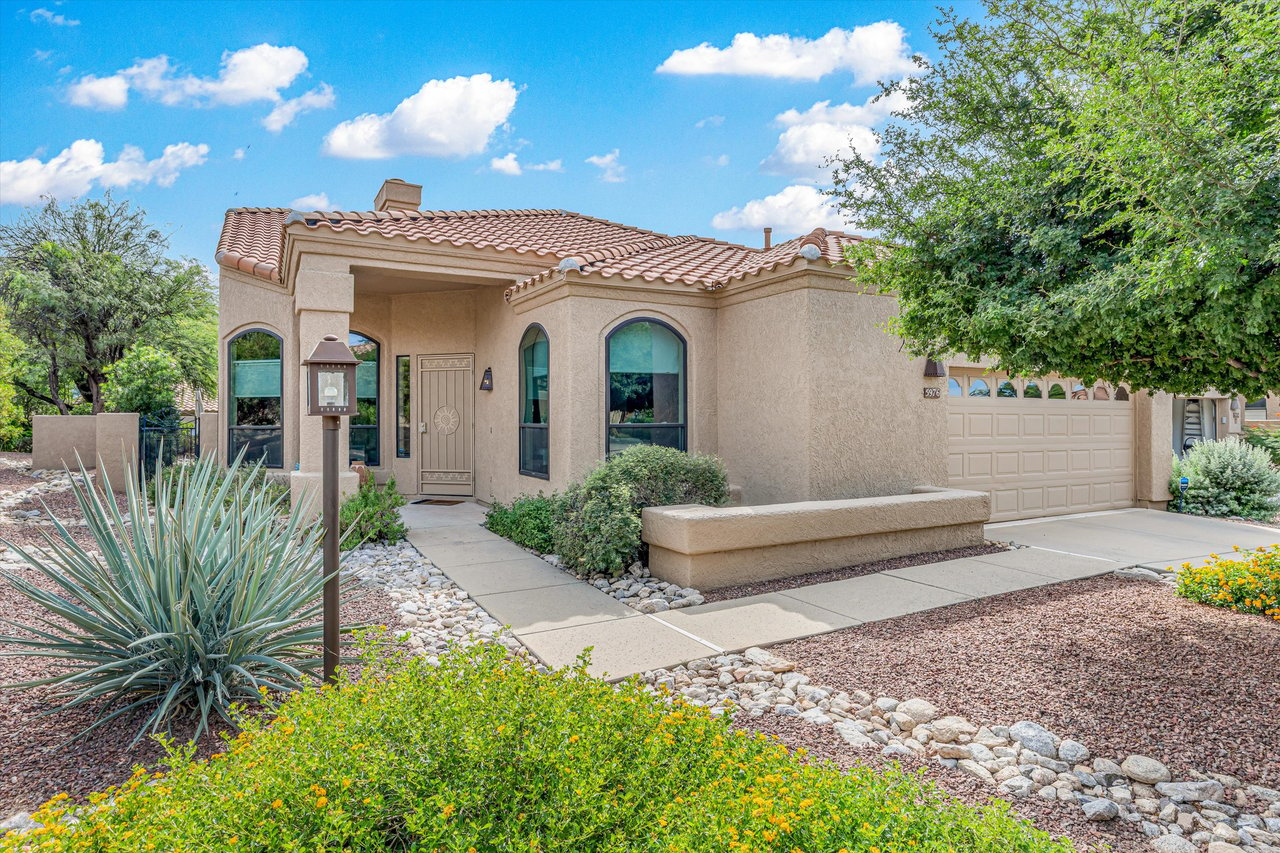
The Season Ahead: What Three Years of Market Activity Tell Us
Ventana Canyon Market Insights | November 2026
November marks the beginning of a familiar transition in Ventana Canyon. Seasonal residents return, activity picks up around the community, and the months ahead traditionally bring increased interest from homebuyers. But as we enter the 2026–27 season, the real estate market looks somewhat different than it did just a few years ago.
A review of three years of MLS activity reveals an interesting combination: seasonal demand remains an important driver of sales, fewer homes are changing hands, and properties are generally taking longer to sell. Understanding how these trends fit together offers a more useful perspective than simply asking whether we're in a buyer's or seller's market.
The Seasonal Pattern Remains Strong
Ventana Canyon has long been influenced by seasonal residents and buyers drawn to Tucson's winter climate. The numbers reinforce that pattern. Between November 2023 and October 2026, approximately 68% of all closed sales occurred during the November–April period, compared with 32% during May–October. What's particularly interesting is how that activity has changed. Closed sales during the November–April season have remained relatively consistent—29, 25 and 26 over the past three years. Off-season sales, however, declined from 16 to 13 to just 9 during the same periods.
In other words, the overall decline in sales has been driven more by reduced off-season activity than by a substantial change in seasonal sales. That distinction matters as we enter November. The traditional buying season remains an important part of Ventana Canyon's market, even as annual transaction volume has softened.
Fewer Homes Are Changing Hands—and Marketing Takes Longer
Annual closed sales declined from 45 in the 2023–24 market year to 38 in 2024–25 and 35 in 2025–26. Listing activity has followed a similar direction, with MLS listing records initiated during those periods declining from 64 to 51 to 45. These listing counts include properties that were relisted, but the overall pattern is clear: listing activity and completed transactions have both declined.
Marketing time provides another important piece of the picture. Average cumulative days on market (CDOM) for closed sales increased from approximately 34 days to 47 days and then to 69 days across the same three market years. CDOM is especially useful because it reflects accumulated marketing time rather than treating every relisting as an entirely fresh start.
That doesn't mean every property is taking two months to sell. Some homes still attract buyers quickly, while others require substantially more time. What the data does establish is that, on average, homes are spending more time on the market. And sellers need to be prepared for that.
The combination of fewer transactions and longer marketing times points to a market in which individual property characteristics—and how a home is positioned—can make a meaningful difference.
Why the Season Changes Market Balance
Inventory is another area where seasonal context matters. Over each of the past three market years, the calculated months of supply was lower during November–April than during May–October. For the most recent year, that comparison was approximately 2.7 months during the on-season versus 3.6 months during the off-season.
This pattern reflects the relationship between available homes and the pace of sales. When seasonal buyer activity increases, available inventory can be absorbed more quickly, even without a dramatic change in the number of homes listed. It also explains why a single month's inventory statistic can be misleading in a relatively small market. A month with very few closings can produce an unusually high months-of-supply figure without necessarily signaling a lasting shift in market conditions.
For buyers, the return of seasonal activity can mean more competition for well-positioned homes. For sellers, the seasonal increase in demand creates opportunity, but it doesn't eliminate the importance of realistic pricing, thoughtful preparation and an understanding of competing properties.
Looking Ahead: Opportunity With a Different Pace
The coming season is unlikely to look identical across Ventana Canyon's many neighborhoods. Homes vary considerably in size, condition, setting, views and price, and buyers evaluate those differences carefully. A well-maintained golf villa may face a different competitive environment than a larger estate property, even when both are part of the same broader community.
For homeowners considering a sale, the historical seasonal pattern offers a reason to pay attention to the months ahead. But timing alone is not a strategy. Understanding how a particular home compares with current alternatives—and positioning it accordingly—remains essential.
For buyers, the slower overall pace may create opportunities to evaluate properties more carefully, although desirable homes can still attract competition during the active season.
The larger takeaway is that Ventana Canyon remains a distinctly seasonal real estate market, but the pace has changed. Fewer homes are changing hands, marketing periods have lengthened, and seasonal demand continues to influence the balance between buyers and sellers. The opportunity ahead lies in understanding those conditions rather than relying on assumptions about how the market used to behave.
Ventana Canyon Market Insights is a monthly commentary exploring real estate trends across Ventana Canyon and its distinct neighborhoods. Each edition offers local perspective and market insight to help buyers and sellers make informed decisions.
Market data: MLSSAZ, Ventana Canyon Community Association (VCCA) area, November 1, 2023–October 31, 2026. Market years run November–October. Listing counts include relistings. Seasonal months-of-supply figures are calculated from monthly MLS data. Historical patterns do not predict future market performance.